Grand Palace & Emerald Buddha Experience

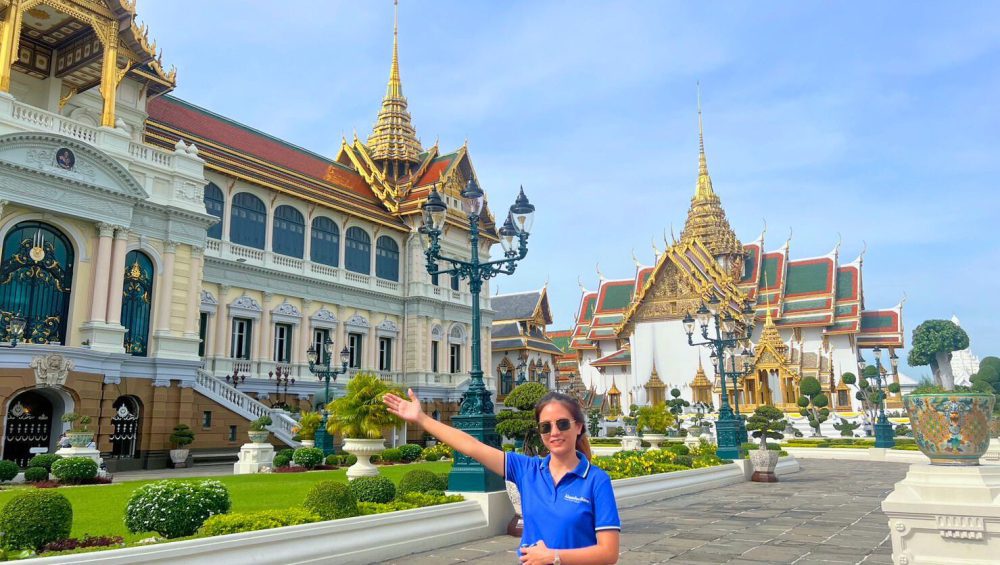
Step back in time on this 2-hour journey through Bangkok’s most treasured landmarks: the Grand Palace and Wat Phra Kaew (Temple of the Emerald Buddha).

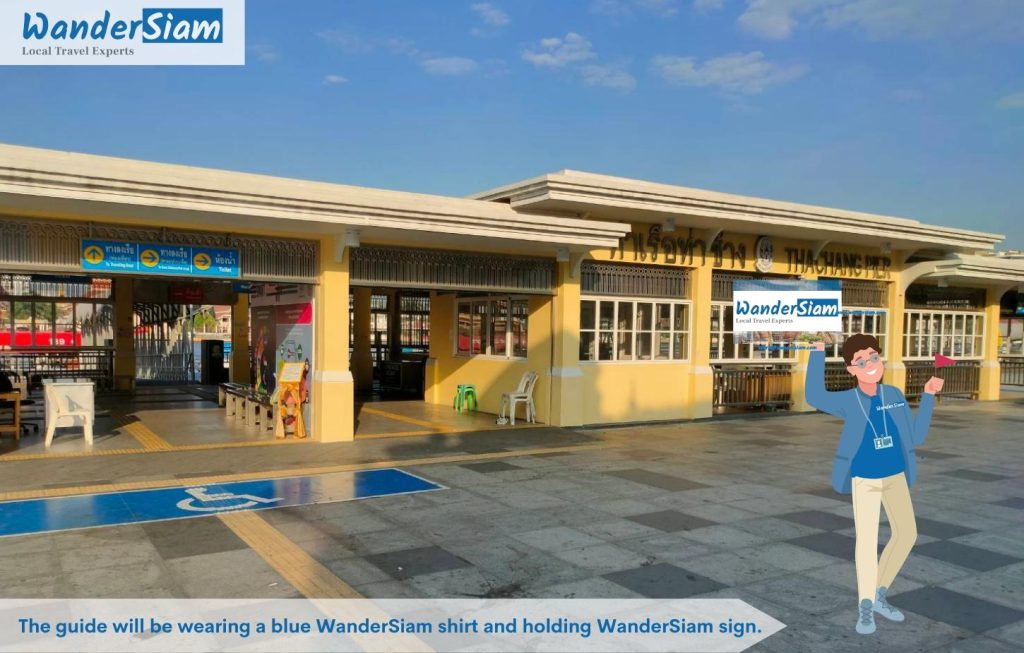
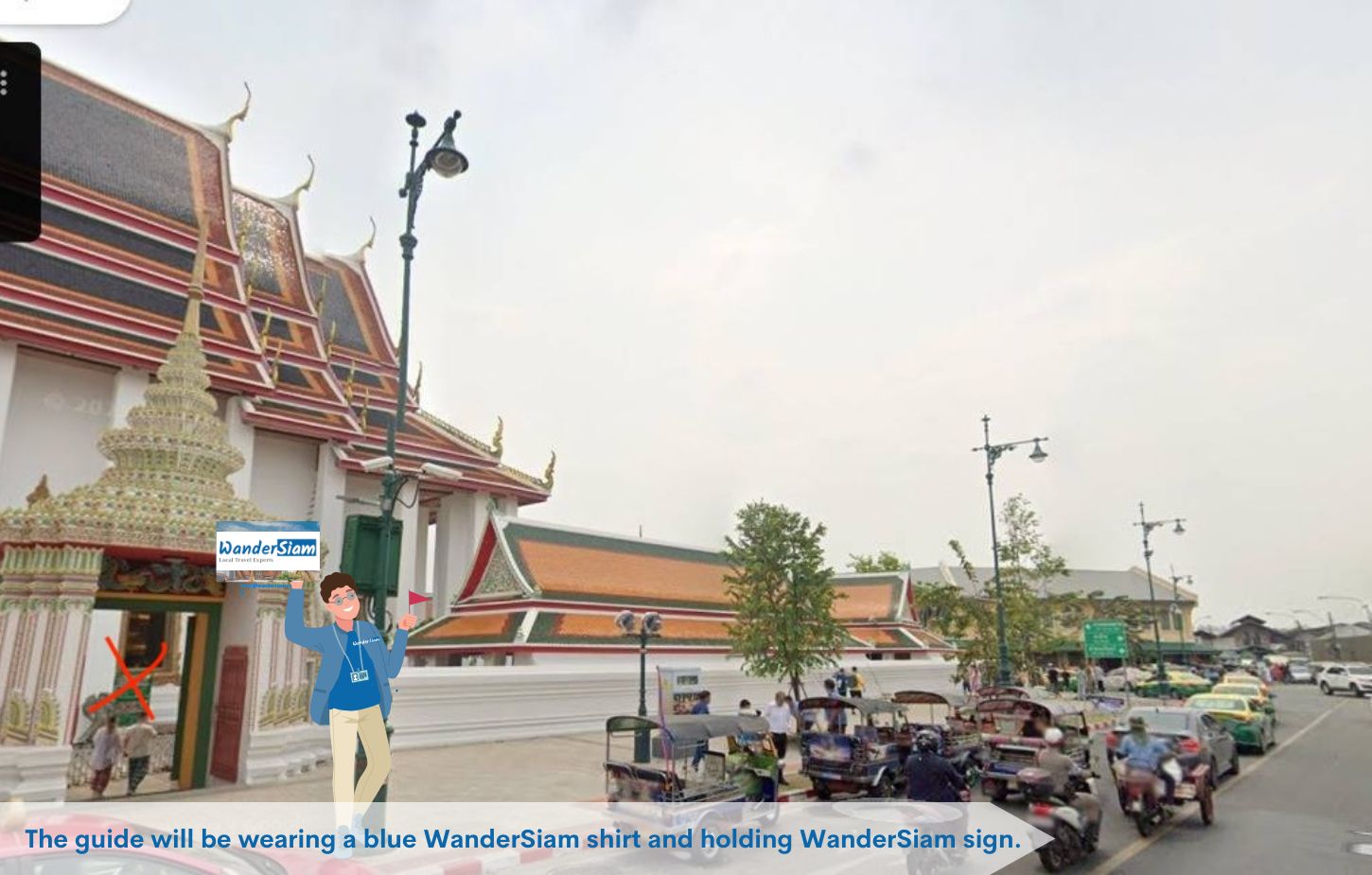
Starting at either 8:30 or 13:30 hrs, your English-speaking guide will meet you at the Tha Chang ferry pier (located along the Chao Phraya River, just across the road from the Grand Palace), ready to bring centuries of Thai history to life.

The Grand Palace has stood at the heart of Bangkok since 1782, when King Rama I chose this location on the banks of the Chao Phraya River to establish his new capital, Rattanakosin, after moving it from Thonburi.
For over 150 years it was the royal residence, home to Kings Rama I through Rama V. The sprawling complex, with its gilded spires and shimmering halls, is still used today for important royal ceremonies and state visits.
Walking through the palace grounds feels like entering another world, where every detail tells a story of Thai craftsmanship, faith, and power.

Within the palace walls lies Wat Phra Kaew, the spiritual heart of the nation. Known as the Temple of the Emerald Buddha, this sacred site houses Thailand’s most revered image of the Buddha: Phra Kaew Morakot. Despite its name, the Emerald Buddha is not emerald but jade, carved from a single flawless block of green stone.
Its journey is as remarkable as its beauty. Over the centuries, the statue traveled across the kingdoms of Chiang Rai, Lampang, and Chiang Mai, before being taken to Laos, where it remained in Vientiane for over 200 years. It finally returned to Thailand in the late 18th century and was enshrined in the newly built temple by King Rama I.

Today, the Emerald Buddha is considered the palladium of Thailand, a national treasure that protects the kingdom. Three times a year, the King himself presides over the changing of the Buddha’s seasonal robes, a deeply symbolic ritual marking the transitions between summer, rainy season, and winter.

As you explore, your guide will share stories not only about the palace and temple, but also about Thai Buddhism, royal traditions, and the fascinating history of Bangkok’s rise as the vibrant capital it is today.

Important notes:

  • The Grand Palace and Wat Phra Kaew are sacred sites. Shoulders and ankles must be covered for both men and women. Scarves over sleeveless tops are not permitted. No shorts, leggings, ripped jeans, tight pants, slippers (flip-flops), or revealing tops. Entry will be refused if you are not dressed appropriately.
  • Entrance fee for the Grand Palace & Wat Phra Kaew (THB 500 per person) is not included in the tour price and must be paid in cash on the day of the tour.

Meeting point:

Your guide will wait for you in front of Tha Chang Ferry Pier, located at the Chao Phraya River, opposite the Grand Palace.
For the location of the Tha Chang ferry pier on Google Maps, please click HERE.

Explore Wat Pho & Wat Arun with a Local Expert

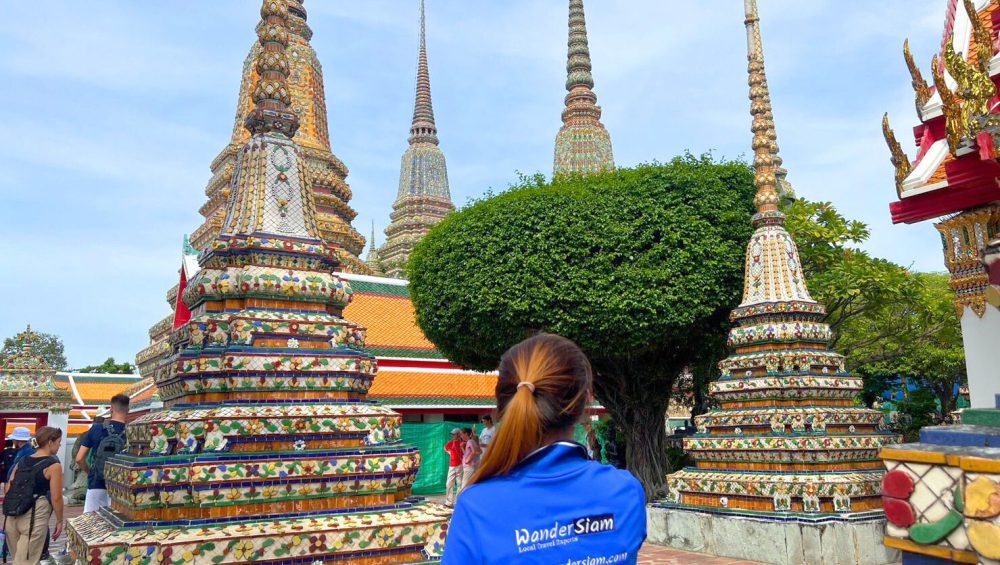
During this 3-hour tour (start every day at 15:30 hrs) you’ll visit the Wat Pho (Temple of the Reclining Buddha) and Wat Arun (Temple of Dawn) with an English speaking tour guide.

Wat Pho is mainly famous for the huge Reclining Buddha statue it houses. At 20 acres large, it is the largest temple in Bangkok, and technically the oldest too, as it was built around 200 years before Bangkok became Thailand’s capital. 

It holds the dual honors of having both Thailand’s largest reclining Buddha image and the most number of Buddha images in Thailand.

The highly impressive reclining Buddha is 46 meters long and 15 meters high, and illustrates the passing of the Buddha into nirvana. The large grounds of Wat Pho contain more than 1000 Buddha images in total, most from the ruins of the former capitals Ayutthaya and Sukhothai.

We then walk to the Tha Tien pier where we’ll take a ferry to the Thonburi side of the Chao Phraya river. Here you’ll find one of the most outstanding temples of Thailand, named after the Indian god of Dawn Aruna: Wat Arun (Temple of Dawn).

The imposing prang (spire) of Wat Arun is one of Bangkok’s world-famous landmarks. It is over 70 meters high and represents Mount Meru, home of the gods. The corners are surrounded by four smaller satellite prangs. The prangs are beautifully decorated with tiny pieces of coloured glass and Chinese porcelain which had previously been used as ballast by boats coming to Bangkok from China.

Important notes:

  • Wat Pho and Wat Arun are sacred sites. Shoulders and ankles must be covered for both men and women. Scarves over sleeveless tops are not permitted. No shorts, leggings, ripped jeans, tight pants, slippers (flip-flops), or revealing tops. Entry will be refused if you are not dressed appropriately.
  • Entrance fees for the Wat Pho (THB 300 per person) and Wat Arun (THB 200 per person) are not included in the tour price and must be paid in cash on the day of the tour.

Meeting point:

The meeting point is at the entrance of Wat Pho on Thai Wang Rd, just south of the Grand Palace. It is the entrance from where you have a clear view of the Grand Palace walls right across the street.

Meeting point location on Google Maps: https://maps.app.goo.gl/6Tg4ENDC8SyKgDoj9

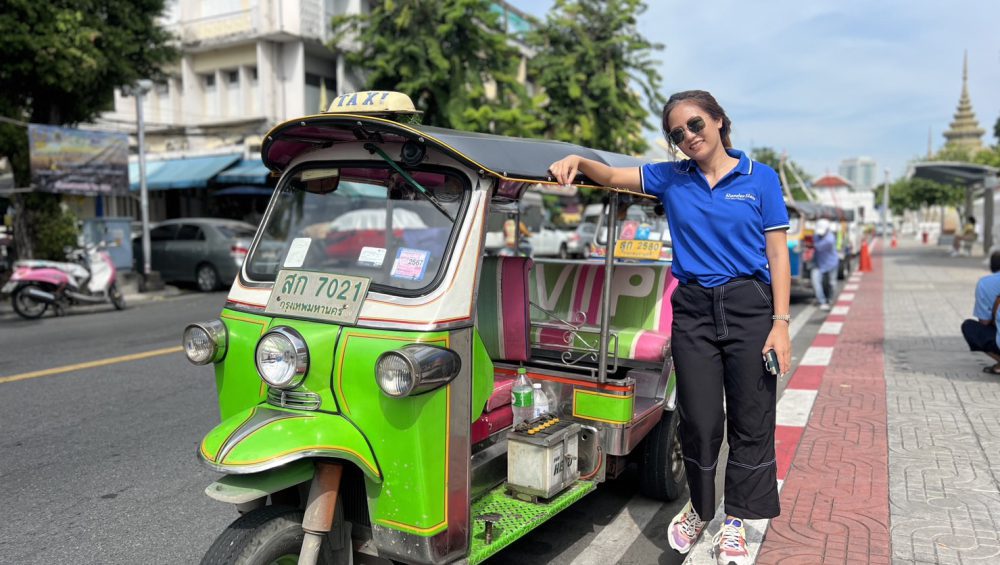
Famous Bangkok Tuk-Tuk Adventure

Discover the heart of Bangkok in a flash on this quick introduction tour to the city’s top landmarks by tuk-tuk!

Climb aboard a tuk-tuk, the buzzing three-wheeled symbol of Thailand, and set off on an exhilarating ride through the heart of Bangkok. As you weave through the busy streets, the colorful city unfolds around you with a mix of glittering temples, lively markets and timeless neighborhoods.

We first pass Wat Pho, one of Bangkok’s oldest temple complexes and a revered center of learning. Behind its walls lies the monumental reclining Buddha and the birthplace of traditional Thai massage, but even when passing outside you can feel the weight of centuries of devotion.

Soon after, the golden spires of the Grand Palace & Wat Phra Kaew rise into view, once the residence of Siam’s kings and still regarded as the spiritual heart of the nation.

Just a short ride away stands the Giant Swing, a striking red teak structure that was once used in centuries-old Brahmin ceremonies and today remains a proud symbol in the middle of the old city.

From there the tuk-tuk carries you to Wat Ratchanatdaram, home to Loha Prasat, the rare and remarkable “metal castle” whose 37 spires climb towards the sky, a piece of architecture unlike any other in the world.

The ride then slows as you arrive at Pak Khlong Talat, Bangkok’s largest flower market. Mountains of orchids, roses and marigolds form a colorful sea, while the fragrance of fresh blossoms mixes with the bustling energy of traders and buyers. It is a feast for the senses, open day and night.

Just a short drive away, the streets transform again as you enter Yaowarat Road, the heart of Chinatown. Here neon signs blaze overhead, gold shops glisten, herbal pharmacies line the pavements and, at night, sizzling street food fills the air with irresistible aromas.

Crossing towards the river, the ride pauses so you can admire Wat Arun, the Temple of Dawn, glowing from across the Chao Phraya, its porcelain mosaics sparkling beautifully in the sunlight.

All the while, your local guide brings the city to life with fascinating stories, weaving history, culture and anecdotes together. This tuk-tuk adventure is not just a ride but a moving snapshot of Bangkok: energetic, colorful and unforgettable.

Important notes:

  • We only pass the Grand Palace and Wat Pho and we do not go inside.
  • You get a view on Wat Arun, the Temple of Dawn, from the other side of the river.
  • Your adventure ends depending on the time of day and the guide’s choice. Sometimes the tour concludes in the middle of lively Chinatown, other times back at the original meeting point. In either case, your guide will always be happy to assist you in finding transport back to your hotel.

Meeting point:

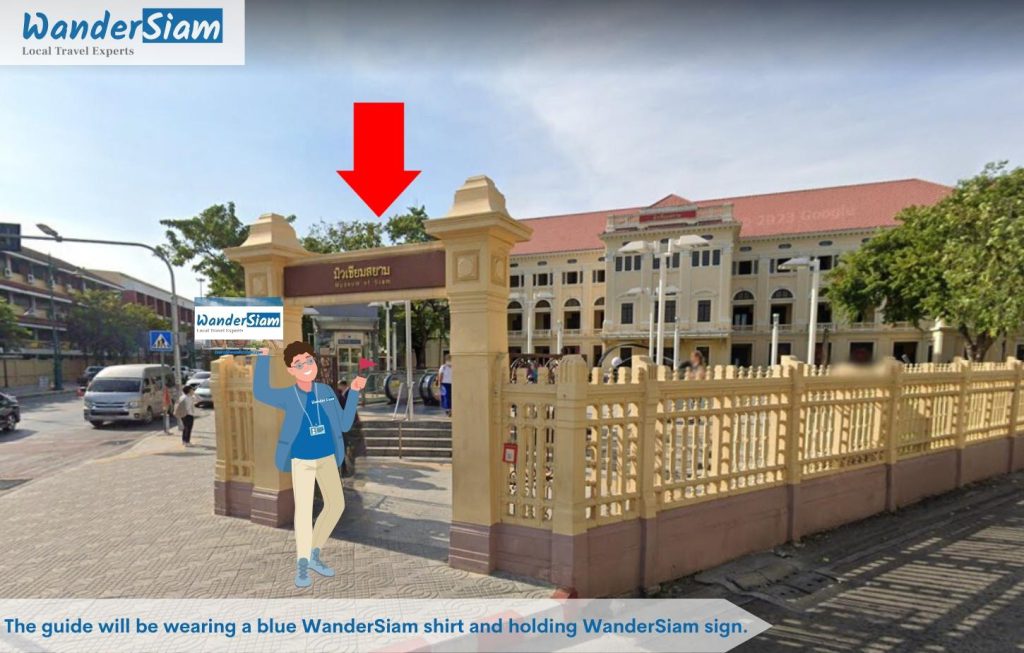
Your guide will wait for you in front of Museum Siam, next to MRT (metro) Station Sanam Chai, Exit Museum Siam (outside).
For the location on Google Maps, please click HERE.

The easiest way to reach the meeting point (and to avoid Bangkok’s heavy road traffic) is by taking the MRT (metro) to Sanam Chai Station. From there, use the Museum Siam exit.

Amphawa Floating Market & Maeklong Railway Train Market Tour

Discover the charm of local Thai life as we explore unique markets, a hidden temple wrapped in tree roots, and the lively canals of Amphawa.

We first visit the famous Mae Klong train market (Talat Rom Hup). Imagine a train going straight through a public market!

The Mae Klong Railway Market has been around since 1905. Fishing was (and still is) one of the main livelihoods of the people who lived here, and the market was another way in which to sell their goods. Officials decided to build a railway in order to better deliver these goods to other provinces. The market remained, however, despite the new tracks that cut through it.

We also visit Wat Bang Kung, famous for its small chapel that is completely enclosed within the roots of a banyan tree called Bot Prok Po. It is almost like the tree itself is the pillars of the temple and that without the roots the chapel would fall down. You can also go inside to pay respect to the Buddha image.

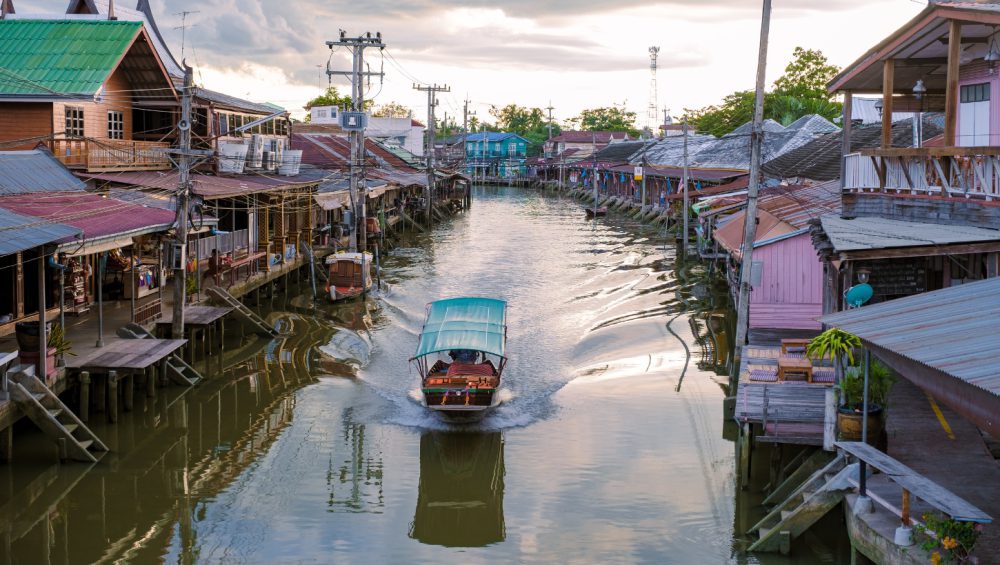
Then we continue to Amphawa, one of the most popular floating (or actually ‘riverside’) markets near Bangkok (only on Friday, Saturday and Sunday). It’s not as large as Damnoen Saduak but it’s more authentic and popular among Thai people. 

This once small village has been around since the mid-17th century and back in the day, the agricultural community of Amphawa used the river as their daily trading hub. Many wooden houses were built along this river to make it easier for the people to trade and transport by boat. 

Along the canal are countless wooden restaurants, some vendors cook and sell food from their boats. If you’re a foodie, this is the place to be! There is a wide choice of snacks, street food, seafood, sweets and desserts as well as fresh fruit.

Of course your visit to Amphawa is not complete without a boat trip, so of course we board one of the boats for a trip on the canals and hopefully we spot some of the large population of fireflies that live in the trees on the canal banks!

NOTE:

Don’t expect countless vendors in boats at Amphawa Market; this market is more like a canal-side market.

In Thai, these markets are called “talat nam” which literally means “water market”, but is translated to English as “floating market”. Of course, there are some vendors on small wooden boats that cook and sell their food to visitors. But you will mostly find dozens of restaurants and food stalls along the canal serving delicious food and local delicacies.

Amphawa Market is definitely worth visiting though. It is a very popular market among the locals because of all the delicious snacks and food that can be found there.

Meeting point:

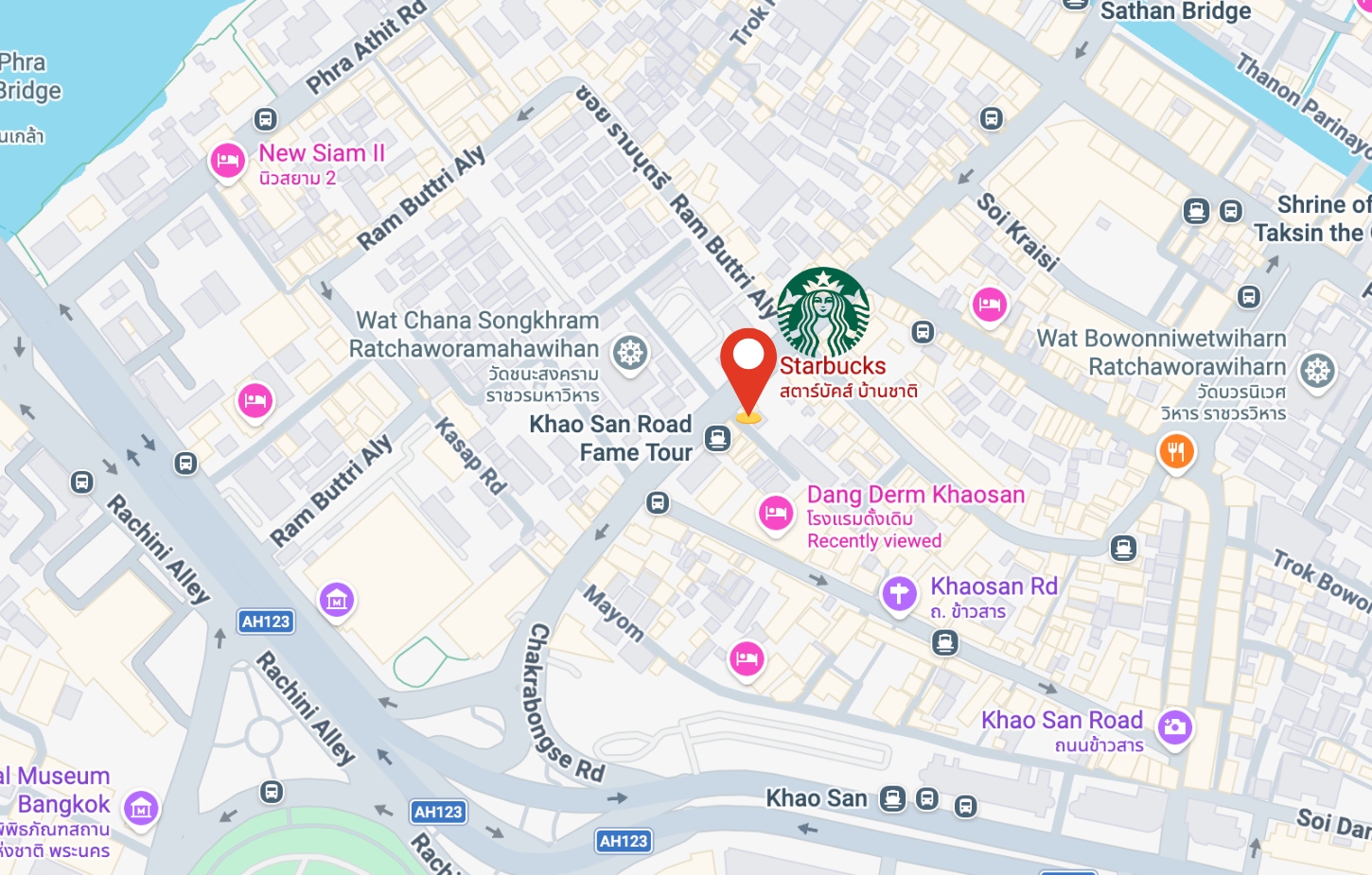
We provide hotel pick-up only from accommodations located on/near Khao San Road and on Siam Square.

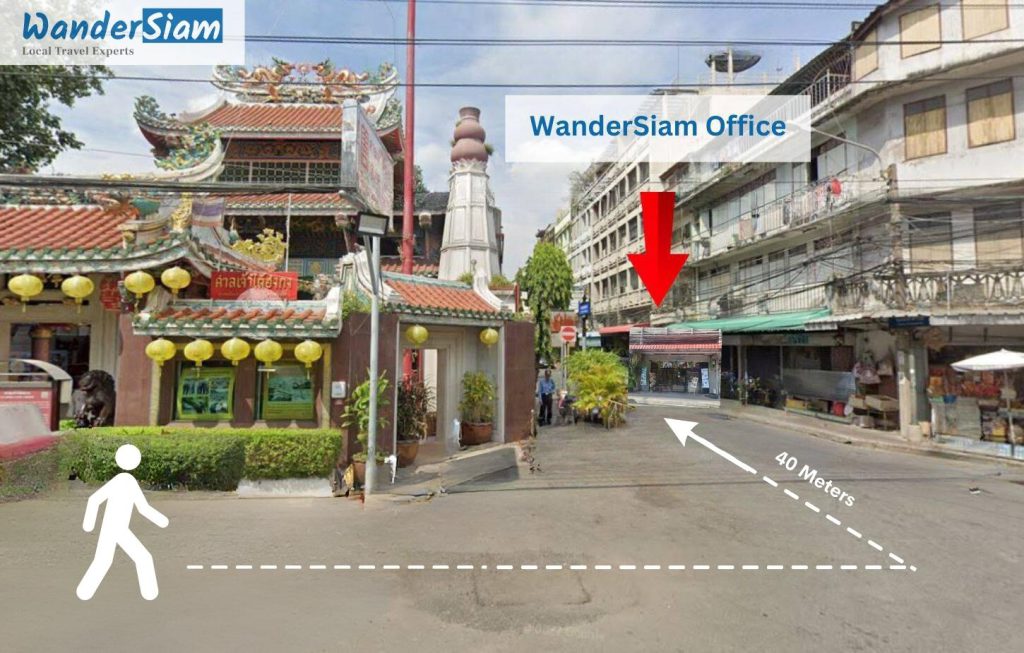
If you are not an actual guest at one of the hotels in our pick-up area, the designated meeting point will be our office on Chao Khamrop Road in Chinatown. Our office in Chinatown is just a short 5-minute walk from Wat Mangkon MRT (metro) station.

For the exact location of our WanderSiam office on Google Maps, please click HERE.

Lopburi Monkey Temple & Ancient Ayutthaya

Step into Siam’s golden age in Ayutthaya and meet the monkeys of Lopburi!

We leave Bangkok in the morning for a full-day journey through Thailand’s rich past, visiting the historic cities of Ayutthaya and Lopburi.

Our first stop is Ayutthaya, the glorious kingdom that flourished from 1350 to 1767 and was once the beating heart of Siam. For over four centuries it was a thriving centre of trade, culture, and religion, attracting merchants from across the world.
Its golden era came to an end when the Burmese army invaded in 1767, setting the city ablaze and leaving it in ruins.

Today, Ayutthaya is a UNESCO World Heritage Site, and wandering among its magnificent remains feels like stepping back in time. We will visit three of its most iconic temples: Wat Yai Chai Mongkhon with its towering chedi and serene Buddha statues, Wat Mahathat with the famous Buddha head entwined in tree roots, and Wat Phra Sri Sanphet, the former royal temple of the Ayutthaya kings.

From Ayutthaya we continue to Lopburi, a city with a history stretching back more than 1,500 years. It first rose to prominence during the Dvaravati era, later becoming part of the Khmer Empire in the 10th century, which left behind impressive monuments still standing today.

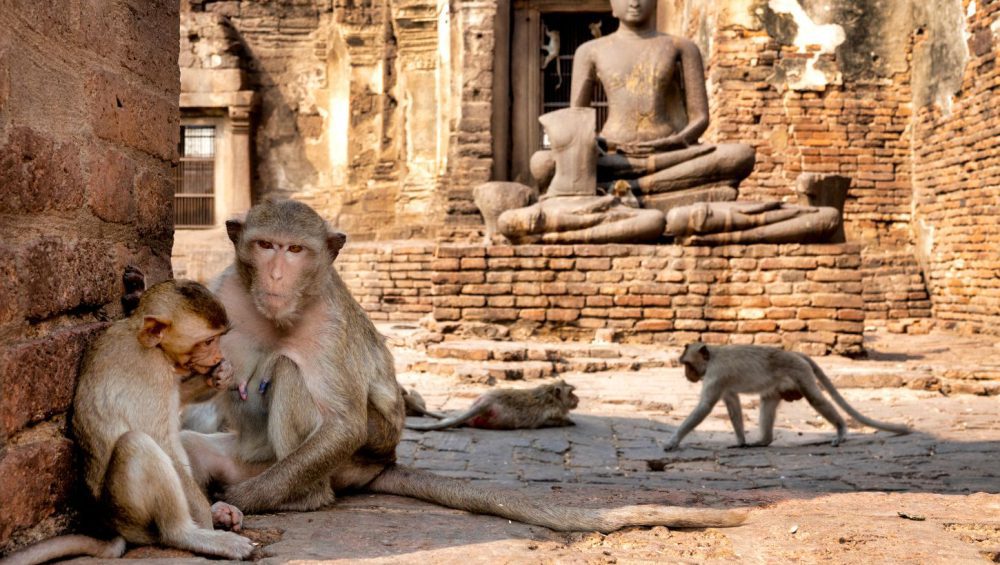
In the 17th century, King Narai the Great made Lopburi the second capital of the Ayutthaya Kingdom. Nowadays, the city is just as famous for its mischievous residents: hundreds of playful long-tailed macaques that roam the streets and temple grounds.
Our visit to Phra Prang Sam Yot, the famous monkey temple, is a chance to watch these lively creatures in action as they leap across the ancient Khmer ruins.

This day offers a perfect blend of fascinating history, stunning architecture, and unforgettable encounters with Lopburi’s cheeky monkeys.

Although there are still monkeys around Phra Prang Sam Yot in Lopburi, there are fewer than in previous years. Many monkeys have been relocated by the authorities due to overpopulation. Please keep in mind that Lopburi is not a zoo. The monkeys are wild and roam freely throughout the town, so while you will likely see some, sightings can never be guaranteed.

Pick up/Meeting point:

We provide hotel pick-up only from accommodations located on/near Khao San Road and on Siam Square.

If you are not an actual guest at one of the hotels in our pick-up area, the designated meeting point will be our office on Chao Khamrop Road in Chinatown. Our office in Chinatown is just a short 5-minute walk from Wat Mangkon MRT (metro) station.

For the exact location of our WanderSiam office on Google Maps, please click HERE.

Khao Yai National Park Full Day Tour from Bangkok

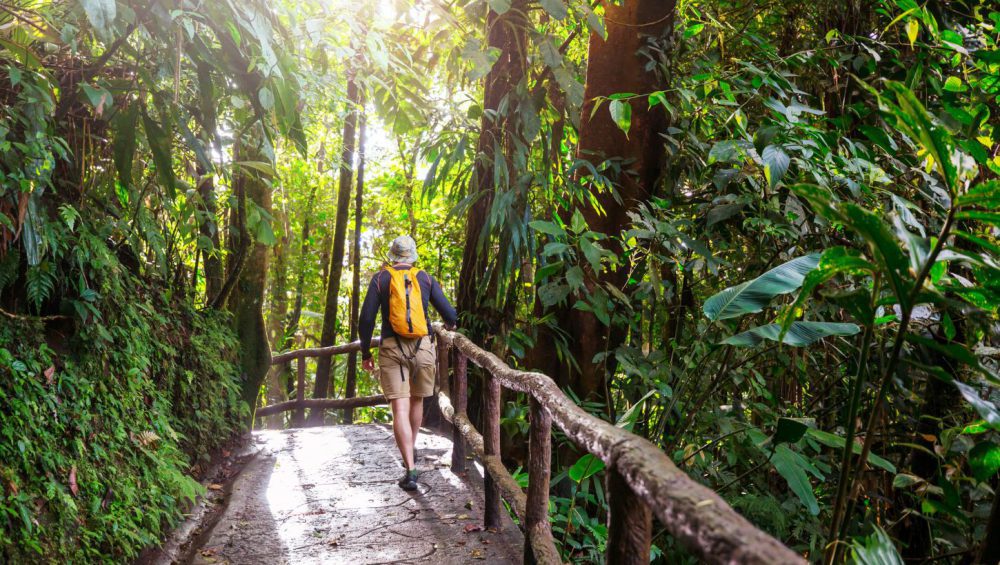
Step into the wild heart of Thailand, where cascading waterfalls, jungle trails, and the calls of roaming elephants await in Khao Yai National Park.

Khao Yai National Park, Thailand’s oldest and most popular national park, is an extraordinary destination for nature and wildlife enthusiasts. Spanning 2,158 sq km and located approximately three hours from Bangkok, it has been recognized as a UNESCO World Heritage Site since 2005. Its mountainous terrain, dense forests, and stunning landscapes make it one of the best places in Thailand to experience the country’s rich flora and fauna.

The park is home to a wide variety of animals, including elephants, monkeys, bears, deer, and squirrels, as well as snakes, spiders, rodents, and countless insects. Birdwatchers will also delight in the more than 400 species of birds that inhabit the park.

We take one of the trekking trails in the park for a hike through the nature while enjoying the beautiful mountainous landscape. During this jungle hike you learn more about the flora and fauna of this beautiful wilderness. Even if you’re not lucky with wildlife encounters, the massive strangler fig trees make it all worthwhile.

Khao Yai is also famous for its waterfalls. Haew Suwat is popular for its cinematic fame as the filming location for Leonardo DiCaprio’s waterfall dive in The Beach (2000). Haew Narok, the highest waterfall in the park, cascades over three tiers, with the final drop plunging 80 meters into a deep pool. Visitors can enjoy a safe hillside viewpoint for incredible photos, particularly spectacular during the rainy season.

One of the park’s highlights is the chance to see Asian elephants in the wild. Many visitors are lucky enough to spot them grazing peacefully in their natural habitat, though sightings cannot be guaranteed.

With its rich biodiversity, dramatic landscapes, and unforgettable wildlife experiences, Khao Yai National Park offers a perfect escape into Thailand’s wild heart, making it a must-visit for anyone seeking adventure and natural beauty.

Important notes:

  • Please note that during the dry season the water flow at Haew Suwat and Haew Narok waterfalls may be lower than usual.
  • For your comfort and safety, we recommend wearing hiking-appropriate clothing: lightweight but covering (to protect against insects and leeches), along with sturdy walking shoes.
  • Khao Yai is a vast national park with many wild animals, reptiles, insects, and birds. Remember, this is not a zoo; the animals roam freely in their natural habitat, and spotting them can be challenging due to the dense vegetation.
  • This tour also includes sections of hiking, so please ensure you are fit for this level of physical activity before booking.

Pick up/Meeting point:

We provide hotel pick-up only from accommodations located on/near Khao San Road and on Siam Square.

If you are not an actual guest at one of the hotels in our pick-up area, the designated meeting point will be our office on Chao Khamrop Road in Chinatown. Our office in Chinatown is just a short 5-minute walk from Wat Mangkon MRT (metro) station.

For the exact location of our WanderSiam office on Google Maps, please click HERE.

Kanchanaburi Full Day Tour: River Kwai and Erawan Falls

Leave the bustling city of Bangkok behind for a full-day journey to Kanchanaburi, a province steeped in both history and natural beauty. This tour provides a moving glimpse into the legacy of the Death Railway while showcasing the lush landscapes of Erawan National Park.

Your day begins with a visit to the iconic Bridge on the River Kwai, a poignant symbol of courage and suffering during World War II. Built as part of a strategic railway to Burma, the bridge was constructed under brutal conditions by Allied prisoners of war, along with local laborers. Work that Japanese engineers expected to take at least five years was completed in just 16 months. The harsh reality of forced labor, malnutrition, illness, and mistreatment claimed the lives of more than 100,000 workers. Visiting the bridge is a powerful reminder of this difficult chapter in history.

From the bridge, embark on a short longtail boat ride along the river to the JEATH War Museum, taking in the scenic surroundings. The acronym JEATH stands for the primary nationalities involved in the construction of the railway: Japan, England, America, Australia, Thailand, and Holland. This small museum displays original tools, photographs, and a bamboo hut replicating the shelters where prisoners lived. You can even see a dud bomb left from an Allied attempt to destroy the bridge.

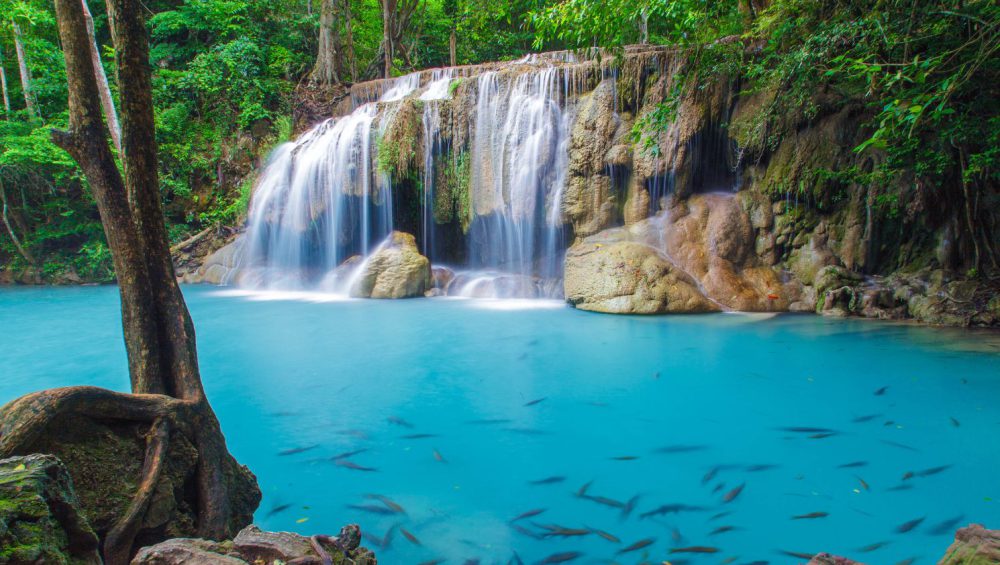
After a reflective morning, we continue to Erawan National Park to immerse yourself in its stunning natural beauty. The park is home to the famous seven-tiered Erawan Falls, named after the three-headed elephant of Hindu mythology. The emerald pools invite a refreshing swim, while a hike to the top of the falls rewards you with panoramic views over the lush jungle.

At the end of a full day of history and nature, relax on the journey back to Bangkok, where you’ll be dropped off at your original meeting point, taking with you memories of both the region’s breathtaking scenery and its remarkable story.

Important notes:

  • The journey from Bangkok to Kanchanaburi takes around 2.5 to 3 hours, with an additional 1.5 hours from Kanchanaburi city to Erawan National Park. It’s a long day, but packed with fascinating history and stunning natural beauty, making every moment worthwhile.

Pick up/Meeting point:

We provide hotel pick-up only from accommodations located on/near Khao San Road and on Siam Square.

If you are not an actual guest at one of the hotels in our pick-up area, the designated meeting point will be our office on Chao Khamrop Road in Chinatown. Our office in Chinatown is just a short 5-minute walk from Wat Mangkon MRT (metro) station.

For the exact location of our WanderSiam office on Google Maps, please click HERE.

Bangkok canal tour by long-tail boat (2 hours)

Start daily at: 8:00 & 9:30 & 11:00 & 12:30 & 14:00 & 15:30 & 16:30 hrs.

Leave the busy streets behind and step into a world of wooden houses, smiling locals, and timeless traditions along Bangkok’s canals.

Hop aboard a traditional Thai long-tail boat and set off on a relaxing journey through Thonburi, the historic part of Bangkok. This area retains a slower pace of life, offering a fascinating contrast to the city’s modern skyscrapers and bustling streets.
During this (approx.) 2-hour canal adventure, you’ll catch glimpses of local life along the waterways.

Bangkok is a city of contrasts. Beyond its glittering temples and luxurious neighborhoods, the city also has areas of poverty and simple canal-side communities. On our tour, you’ll pass some older, more fragile houses that are at the mercy of floods during the rainy season. We want to show travelers a more authentic side of Bangkok, one that reflects local life beyond the postcard-perfect sights. It’s a perspective that many find eye-opening and enriching.

One of the highlights is Khlong Bang Luang, a riverside community dating back to the Ayutthaya period. Lined with old wooden houses and family-run shops, it offers a glimpse of traditional canal-side life. At its heart is Baan Silapin (The Artist’s House), a beautifully restored 200-year-old home serving as a creative space for local artists. A wooden walkway invites a quiet stroll along the canal, making this a true hidden gem.

As the boat continues, you’ll pass Wat Paknam Phasi Charoen, an important temple built during the mid-Ayutthaya period. Your boat will pause so you can admire and photograph the enormous golden Buddha from the water, soaring nearly 70 meters high (please note that we do not disembark at this temple).

This tour offers a unique way to explore Bangkok, combining the charm of its canals, the vibrancy of local life, and glimpses of iconic landmarks, all from the comfort of your boat. It’s perfect for travelers seeking a traditional, intimate, and photogenic side of the Thai capital.

Important notes:

  • Please note that during the tour, we may experience a wait at one of the water locks, which regulate canal levels. These operate on no fixed schedule and are beyond our control, but they are part of the authentic canal experience.

Meeting point:

The meeting point is at the bus stop directly opposite Elefin Coffee and Bangkok Bank on Maha Rat Road, just south of Wat Pho.

The easiest way to reach the meeting point (and to avoid Bangkok’s heavy road traffic) is by taking the MRT (metro) to Sanam Chai Station. From there, use the ‘Museum Siam’ exit. The meeting point is just a short 5-minute walk away.

For the location on Google Maps, please click HERE.


Bangkok by Night: Boat, Tuk-tuk & Chinatown Street-Food Meal

Experience the ‘Big Mango’ in a whole new light and join us for an evening of iconic sights, local flavors, and unforgettable moments!

After sunset, the chaos of the day gives way to a more atmospheric and magical version of itself, with temples and palaces beautifully illuminated, night markets bursting into life, and the scent of sizzling street food drifting through the air. Bangkok becomes more relaxed but just as vibrant, the perfect time to explore.

We begin with a scenic ride on the Chao Phraya Express Boat, offering sweeping views of the riverside skyline as the lights of the city begin to twinkle.

Our first stop is Wat Arun, the striking Temple of Dawn, which looks even more magical under the night sky when its spires are lit up in golden light. Although the temple itself is already closed at this time, we stop nearby so you can take some stunning photos of this iconic landmark.

From there, we cross the river and hop into a typical Thai tuk-tuk, a fast and fun way to weave through Bangkok’s old town. It’s an experience in itself, the sounds, the lights, and the breeze as you zip past historic buildings and temples.

On our route, we pass iconic landmarks such as the Grand Palace and Wat Pho, and make short photo stops at the Giant Swing and the Flower Market (Pak Khlong Talat). Each place carries centuries of history and culture, and your guide will share the stories behind these historic sights.

We end the evening in the heart of Chinatown, one of the world’s largest and most authentic. Unlike many parts of Bangkok, Chinatown has managed to preserve its original character. Here, we’ll stop to enjoy a simple street-food meal and dessert, just like the locals do.

This tour is perfect for travelers who want to see Bangkok in a different light. It combines fun transport, iconic sights, local stories, and a street meal, all set against the backdrop of Bangkok by night.

Important notes:

  • The tour duration is 3-4 hours and the tour ends in Chinatown. You can take the metro back to your hotel or the guide can assist with a taxi (not included).
  • Mondays are street cleaning days in Bangkok citywide, and many street food cart vendors take the day off. Please be aware that Chinatown is less lively on Mondays.
  • Please note that this is not a food tour. While we do enjoy a local street-food meal and dessert at the end of the tour, the focus is on cultural exploration rather than food sampling throughout. Since the meal is served towards the end of the experience, we recommend having a light snack before the tour begins, especially if you think you’ll get hungry along the way.

Meeting point:

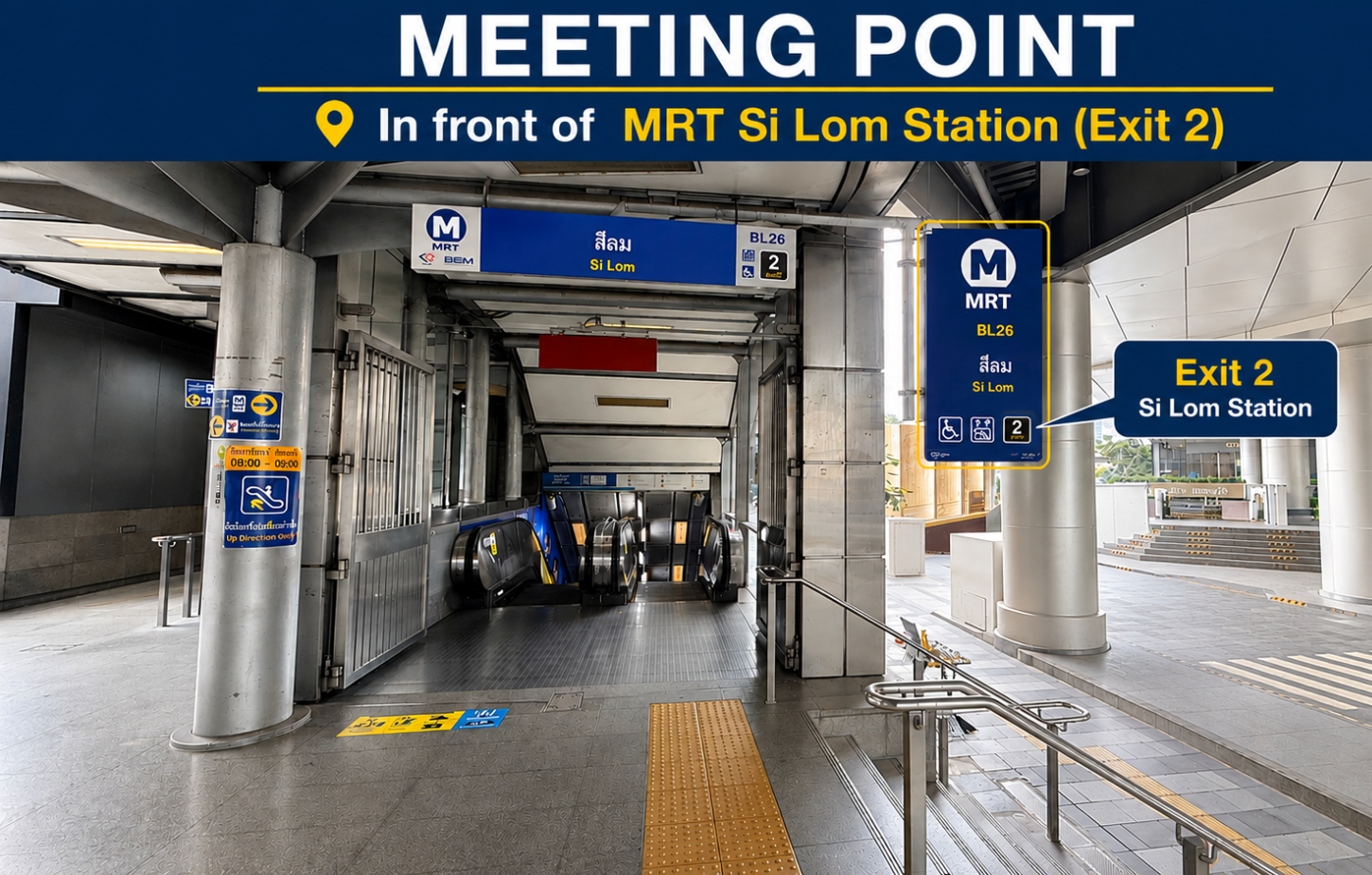
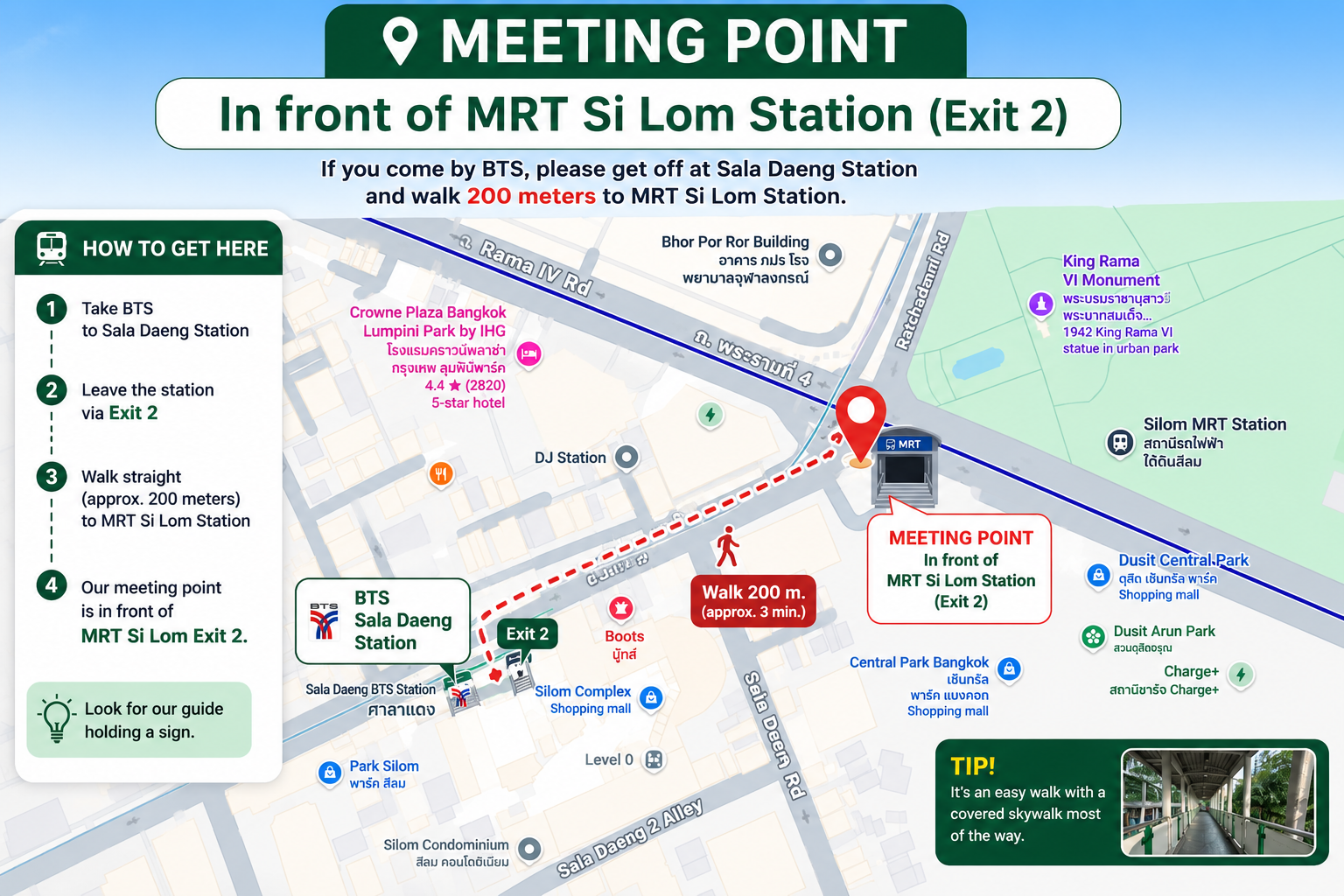
Your guide will wait for you at Saphan Taksin BTS Station, Exit 2, at street level.
This exit is located at the end of the street, close to the river.
For the location of the Saphan Taksin BTS Station on Google Maps, please click HERE.

Grand Palace & Temples of Bangkok

Discover the iconic landmarks where tradition meets wow: Bangkok’s best in one go.

Discover the cultural heart of Bangkok on this half-day tour, where you’ll explore the Grand Palace and the city’s most iconic temples in the company of a local guide. Along the way, you’ll hear fascinating stories about these historic sites, the Thai monarchy, and the role of Buddhism in daily life.

At the centre of the city stands the magnificent Grand Palace, the former royal residence from the reign of King Rama I to King Rama V of the Rattanakosin Kingdom. Today, this architectural masterpiece is still used for royal ceremonies and to receive state guests and foreign dignitaries.

Within the palace grounds lies Wat Phra Kaew, the Temple of the Emerald Buddha, regarded as the most sacred Buddhist temple in Thailand. Here you’ll find Phra Kaew Morakot, the highly revered Emerald Buddha, a single piece of jade carved with extraordinary skill.

Next, you’ll visit Wat Pho, home to the famous Reclining Buddha. This vast temple complex covers 20 acres, making it the largest in Bangkok, and is considered one of the city’s oldest, built around 200 years before Bangkok became the capital. The reclining Buddha, measuring 46 metres in length and 15 metres in height, symbolises the Buddha’s passing into nirvana. Wat Pho also houses more than 1000 Buddha images, many brought from the ancient capitals of Ayutthaya and Sukhothai.

From here, a short ferry ride will take you across the Chao Phraya River to the Thonburi side, where Wat Arun, the Temple of Dawn, awaits. Dedicated to the Indian god Aruna, its central prang (spire) rises over 70 metres and represents Mount Meru, the mythical home of the gods. Adorned with delicate pieces of coloured glass and Chinese porcelain once used as ballast on trading ships, Wat Arun is one of Bangkok’s most recognisable landmarks.

No trip to Bangkok is complete without visiting these treasures of Thai heritage.

Important notes:

  • The Grand Palace and temples are sacred sites. Shoulders and ankles must be covered for both men and women. Scarves over sleeveless tops are not permitted. No shorts, leggings, ripped jeans, tight pants, slippers (flip-flops), or revealing tops. Entry will be refused if you are not dressed appropriately.
  • Entrance fees (THB 1000 per person) are not included in the tour price and must be paid in cash on the day of the tour.

Meeting point:

Your guide will wait for you in front of Tha Chang Ferry Pier, located at the Chao Phraya River, opposite the Grand Palace.
For the location of the Tha Chang ferry pier on Google Maps, please click HERE.

Doi Suthep Temples & Hiking Tour

Hike to Wat Pha Lat, the hidden forest temple on Doi Suthep. This secret temple is a beautiful haven of peace, in a garden with beautiful statues.
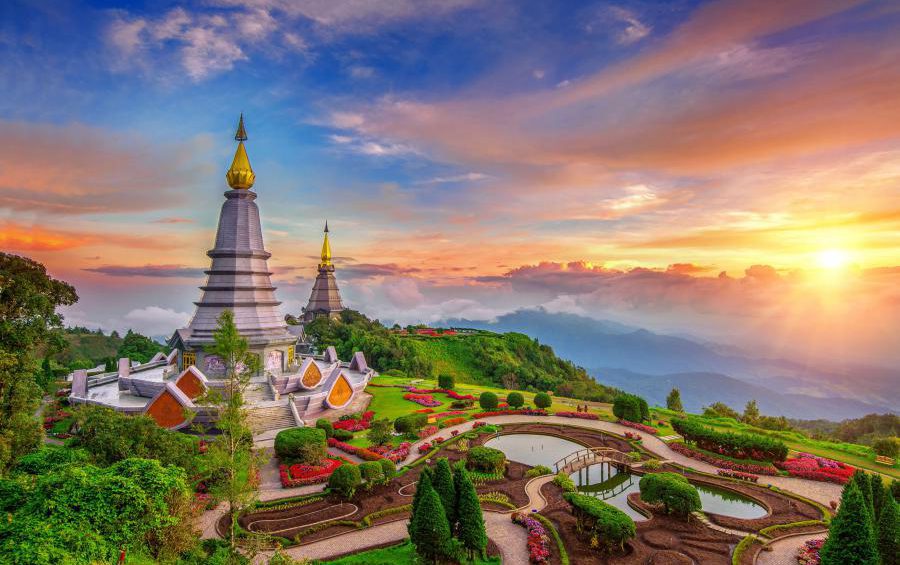
Then visit Wat Phra That Doi Suthep, the Buddhist temple draped in gold. Overlooking the city from its mountain throne, Wat Phra That Doi Suthep is one of northern Thailand’s most sacred temples, and a beautiful example of northern Thai architecture. From the temple you can enjoy a panoramic view over the city.

Pick up from hotels in the center of Chiang Mai by a typical ‘songthaew’ or ‘rot sii daeng’ (a converted pick-up truck with two rows of back benches).
The songthaew drops us at the starting point of the Monk’s Trail where we begin our hike to Wat Pha Lat.

Wat Pha Lat is the jungle temple of Chiang Mai and it is also the finishing point of the popular Monk’s Trail, an ancient pilgrimage route.
This hike is along a trail that for many years has been used by monks to ascend Doi Suthep (Suthep Mountain) enroute to Wat Phra That Doi Suthep Temple. It takes between 30 and 45 minutes to hike the Monk’s Trail to Wat Pha Lat.

Wat Pha Lat, the secret jungle temple, was built in 1355 and with its old stone buildings, intricate carvings and statues, and plenty of breathtaking places to meditate, it’s clear why people claim Wat Pha Lat is a hidden gem in Chiang Mai.

From Wat Pha Lat we continue by songthaew to Wat Phra That Doi Suthep, considered to be one of the most sacred pilgrimage spots in Thailand and a must-see for anyone visiting Chiang Mai. The temple can be reached via the so-called ‘dragon staircase’, a staircase with more than 300 steps flanked by a ‘Naga’: a mythical serpent with seven heads. Instead of walking to the top, you can also take the cable car (fee not included).

Once you are at the temple grounds you will see statues, pagodas, shrines, bells and Buddhist drawings inside. The original chedi (also called stupa or pagoda, a conical structure in which sacred relics are kept) covered with copper is the most sacred part of the temple. You will learn more about the history of this temple and the meaning of the paintings on the wall, depicting the life of Buddha.
Overlooking Chiang Mai from its lofty perch, 1053 meters above sea level, the temple is best visited on days free of cloud or heat haze; the view of the city, and the Ping valley beyond, is breathtaking.

Afterwards the ‘songthaew’ will bring you back to your hotel or the meeting point in the city.

Pick up/Meeting point:

  • Pick up and drop off from hotels in our regular pick up area (the inner city or just outside).
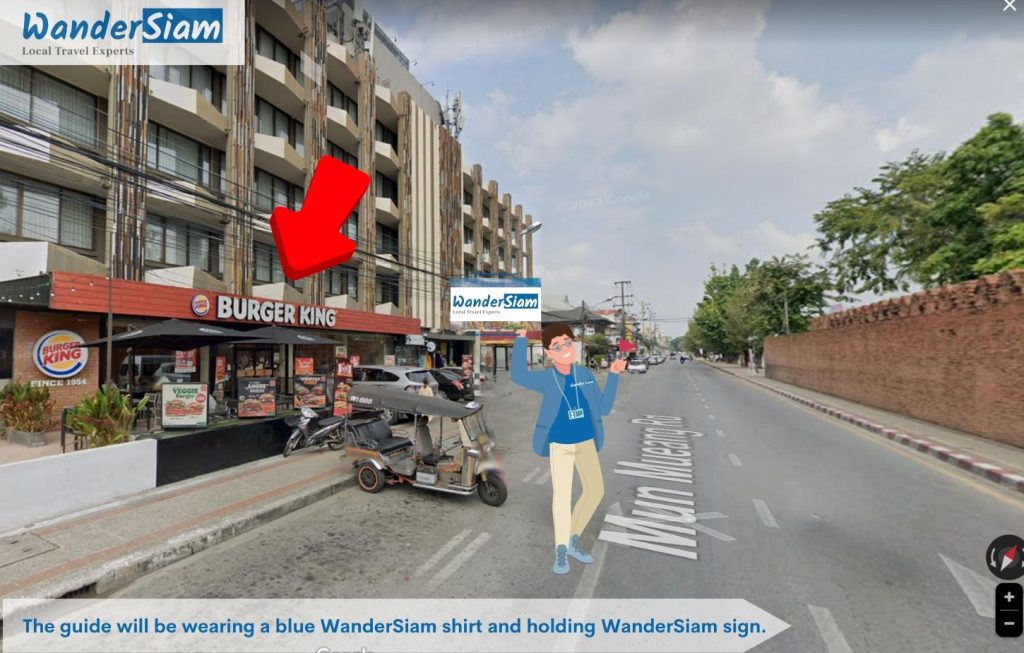
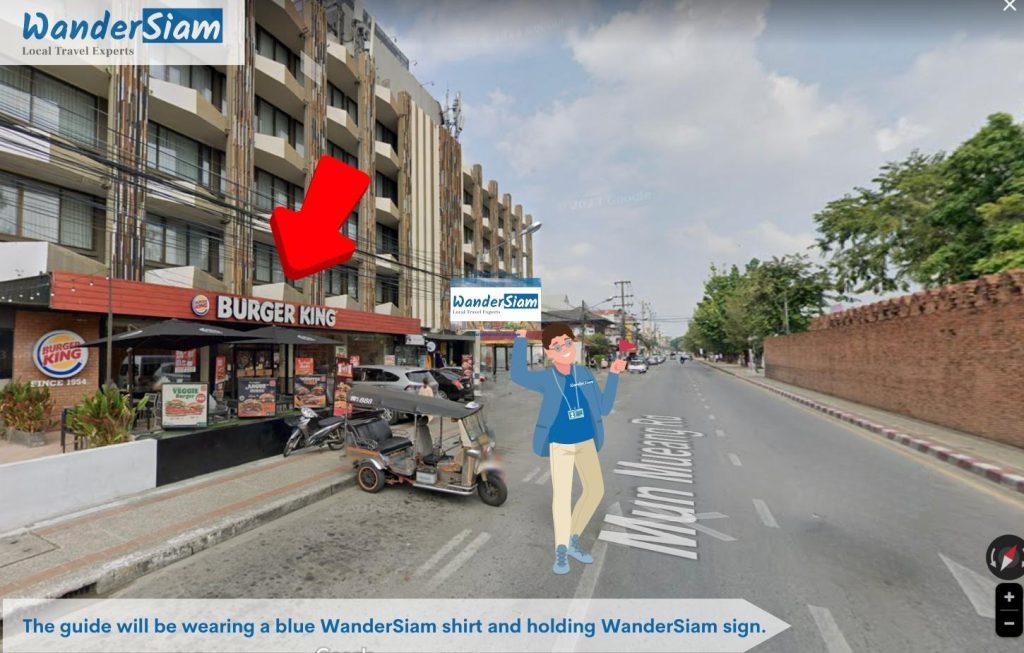
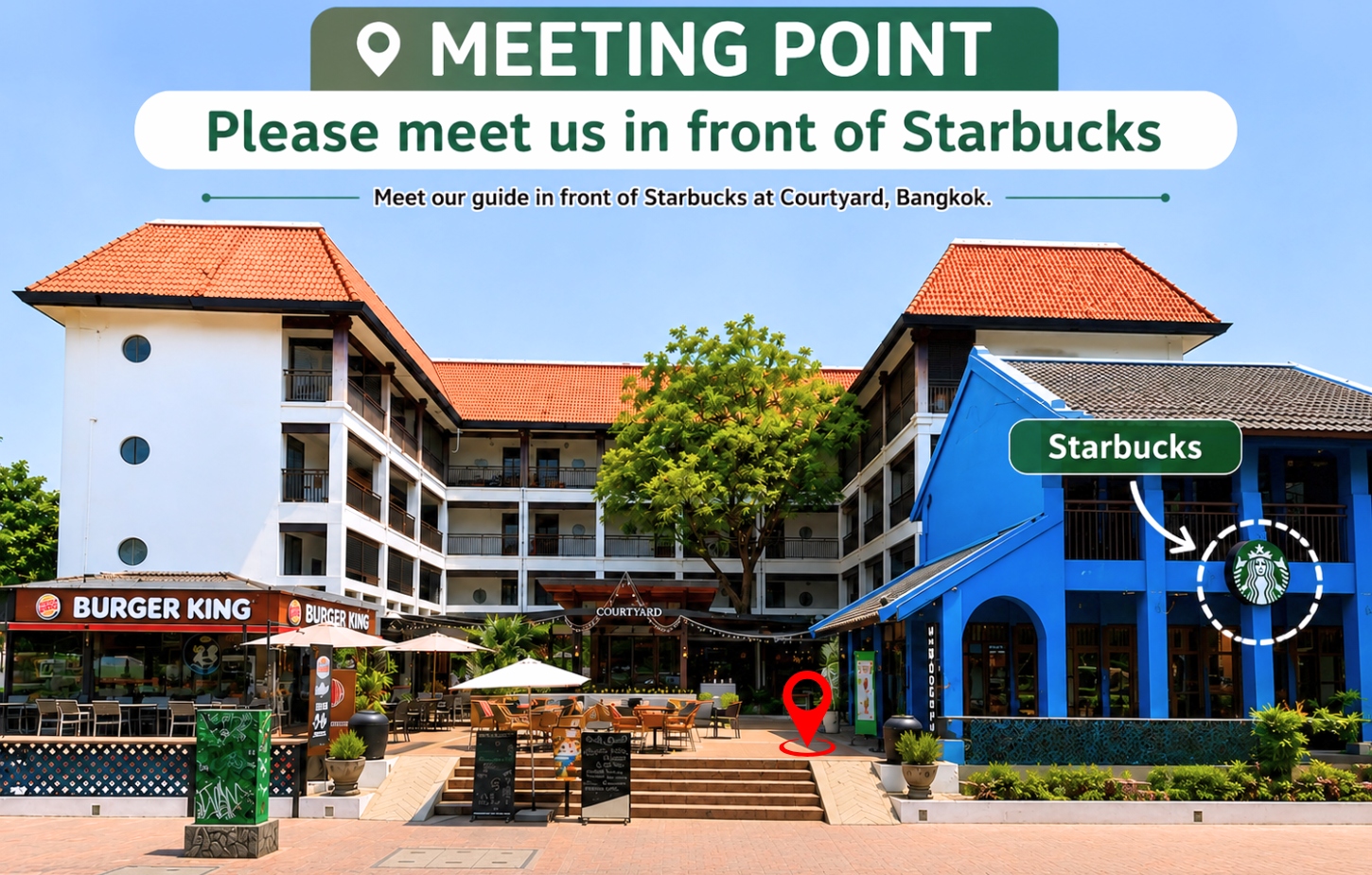
  • If your accommodation is outside our regular pick up area, you need to come to the meeting point: in front of the Burger King at Thapae Gate (Pratu Thapae).

Highlights

  • Visit Wat Phra That Doi Suthep, one of the most sacred pilgrimage spots in Thailand
  • Enjoy the jaw-dropping view over Chiang Mai city
  • Hike the Monk’s Trail to Wat Pha Lat, the hidden forest temple

Note

  • This tour is operated with a ‘songthaew’, a modified pick-up truck with two rows of bench seats in its open-air back (so not with an air-conditioned vehicle!).
  • For the 5:00 hrs time slot, we first visit Wat Phra That Doi Suthep, then Wat Pha Lat, and from there we walk the Monk’s Trail downhill. For the other two time slots, we start with the hike uphill to Wat Pha Lat.
  • The Monk’s Trail is generally considered an easy hike (30-45 minutes) for people in normal physical condition. However, parts of the path are uneven and may be slightly steep or slippery, especially after rain.
    While most participants complete the hike without difficulty, some guests may find it a bit more strenuous. This tour is not suitable for guests with mobility issues.
  • Remember that temples are sacred places and visitors are required to dress appropriately. Shoulders and knees need to be covered.
    No leggings, too tight clothes or revealing tops, otherwise entry may be denied.
  • Entrance fees for the Monk’s Trail/Wat Pha Lat (THB 100 per person) Wat Phra That Doi Suthep (THB 50 per person) are not included and must be paid cash on day of the tour.

Damnoen Saduak Floating Market & Maeklong Railway Market

Departures available daily at 7:00 AM or 10:15 AM

Step into the excitement of the Maeklong Railway Market, where stalls are whisked away just moments before the train speeds through. Then hop on a traditional long-tail boat at Damnoen Saduak Floating Market, weaving along bustling canals and catching glimpses of riverside life. The journey also takes you to Wat Bang Kung, a remarkable temple known for its ancient tree-covered chapel.

Experience some of Thailand’s most unique and colorful markets on this tour, beginning with the Maeklong Railway Market. Known locally as the ‘umbrella pulldown market,’ this extraordinary market stretches along an active railway line. Established in the early 1900s, it has grown up around the tracks, selling fresh produce, seafood, and local goods. Several times a day, the distant sound of a train sends vendors into action, folding back awnings and pulling their wares away from the rails, only to set them back in place moments after the train passes. Witnessing this precise, practiced scramble is a fascinating glimpse into local life and a truly unforgettable sight.

Next, we travel to the famous Damnoen Saduak Floating Market. Dug in the 19th century during the reign of King Rama IV to improve trade and transport, the network of narrow canals is now filled with boats carrying fresh fruits, local snacks, and handcrafted goods. The riverbanks bustle with colorful stalls, creating a lively atmosphere where you can enjoy the sights, sounds, and flavors of a traditional floating market. While it has become a popular tourist attraction, it remains one of the best places to experience this unique way of trading.

Finally, we visit Wat Bang Kung, one of Amphawa District’s most iconic temples. This remarkable site is almost completely enveloped by the roots and branches of a giant banyan tree, which have grown over the centuries to lock the building in a natural embrace. Inside, you’ll find a golden Buddha, a serene reminder of the temple’s spiritual significance and enduring charm.
(Visitors must be properly dressed when visiting temple. Shoulders need to be covered.)

Pick up/Meeting point:

We provide hotel pick-up only from accommodations located on/near Khao San Road and on Siam Square.

If you are not an actual guest at one of the hotels in our pick-up area, the designated meeting point will be our office on Chao Khamrop Road in Chinatown. Our office in Chinatown is just a short 5-minute walk from Wat Mangkon MRT (metro) station.

For the exact location of our WanderSiam office on Google Maps, please click HERE.